Turn Parquet and Delta files into fast, queryable HTTP APIs
Experience a configuration-driven server that exposes Parquet, Delta, and Iceberg files as typed HTTP APIs with Arrow or JSON output. DataPress, from DataPress developer DataPress, targets data engineers and application developers who need low-latency access to columnar datasets. It offers dual execution engines (DuckDB and DataFusion), hot-reload of in-memory datasets, and built-in metrics, making it suitable for containerised deployments and programmatic control from Python or the CLI.
What does DataPress actually publish and how?
DataPress publishes columnar data as HTTP endpoints. It converts Parquet, Delta, and Iceberg datasets into typed APIs that return JSON or Arrow IPC. The server infers schema at startup so you don't map columns manually, and it exposes an optional raw-SQL endpoint that validates and runs joins, window functions, and sub-selects against the underlying files.
How does it affect system performance during queries?
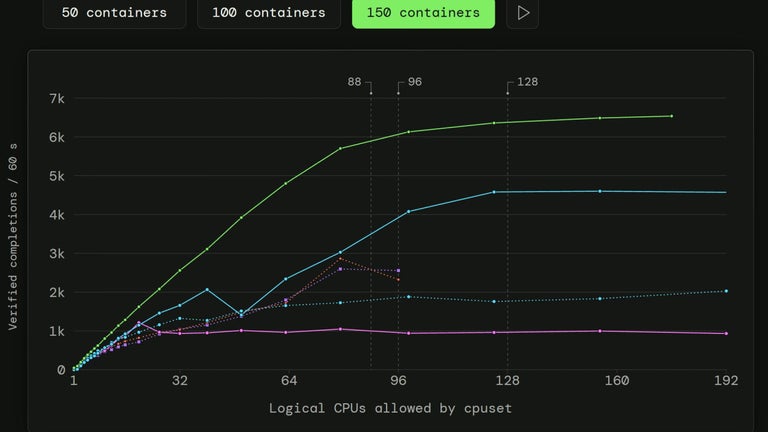
Performance centers on columnar memory and zero-copy paths. Built in Rust, the tool uses Arrow IPC to avoid JSON serialization overhead for large transfers and relies on columnar formats to reduce memory pressure. You can toggle between DuckDB and DataFusion backends to compare latency under identical API contracts, and hot reload updates datasets in memory without restarting the server.
Is it safe to deploy in a production environment?
Production features include observability and access control. The server exposes metrics and health check endpoints for monitoring and supports OAuth2 and OIDC for dataset access. It also provides Kubernetes liveness and readiness probes and native S3 object storage support, which match containerised deployment patterns and common cloud object stores.
Do I need deep Rust or SQL skills to operate it?
Operational complexity skews toward configuration and SQL familiarity. You manage the service through a standalone CLI or a Python wheel for programmatic control, and the server uses a single configuration file to publish datasets. Casual users will need to learn the configuration schema; analytics teams and engineers gain direct control through the optional raw-SQL endpoint and the choice of backend engine.
Good fit for engineers who need fast, low-overhead data APIs
DataPress suits data engineers and developers who publish columnar datasets to HTTP quickly and need production monitoring and authentication. Expect to invest time in configuration and backend comparison when tuning for specific workloads. The trade-off is that operational control hinges on configuration and SQL skills rather than a graphical management surface, so it's best for teams comfortable with code and infrastructure.